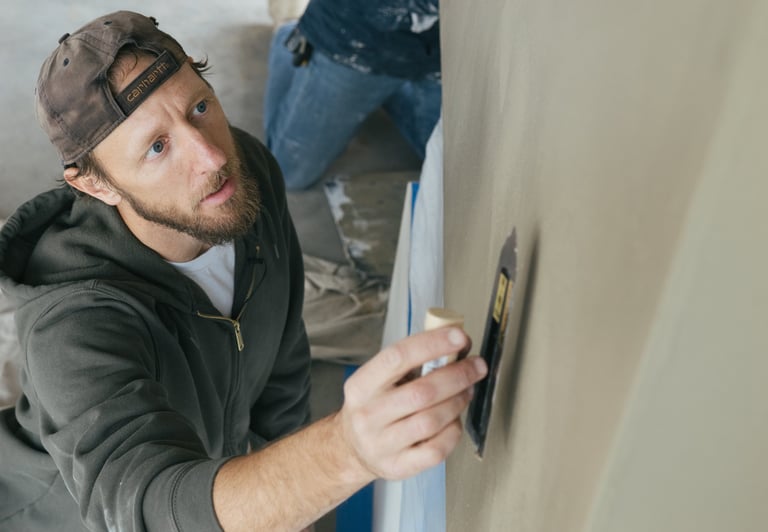
Mindful Earthen was born from a love of earth, craft, and presence.
More than ten years ago, I was introduced to the world of permaculture — a way of seeing how water, soil, plants, and people can work together rather than against each other. I learned how to build rainwater catchment systems, reuse greywater to grow desert oases, and work with materials like mud, clay, cob, and lime — materials that belong to the land rather than harm it.
For the first time, I felt what it meant to create something that was functional, beautiful, non-toxic, and ecologically conscious all at once.
That was the beginning of my love for natural building.
Before this work, I was drifting — taking jobs to survive but lacking direction or deeper inspiration. Working with earth changed that. Mixing cob barefoot, feeling clay between my toes, shaping something with my hands brought me back to a childlike sense of wonder and connection. When I began working with lime and finish trowels, I felt like an artist sculpting light, texture, and feeling into a surface.
This craft demanded my presence.
If I rushed, the wall showed it.
If I was distracted, the surface revealed it.
Plaster became a mirror — not just of technique, but of my inner state.
That’s when I realized this work wasn’t just construction.
It was a practice. A meditation. A relationship.

The Craft
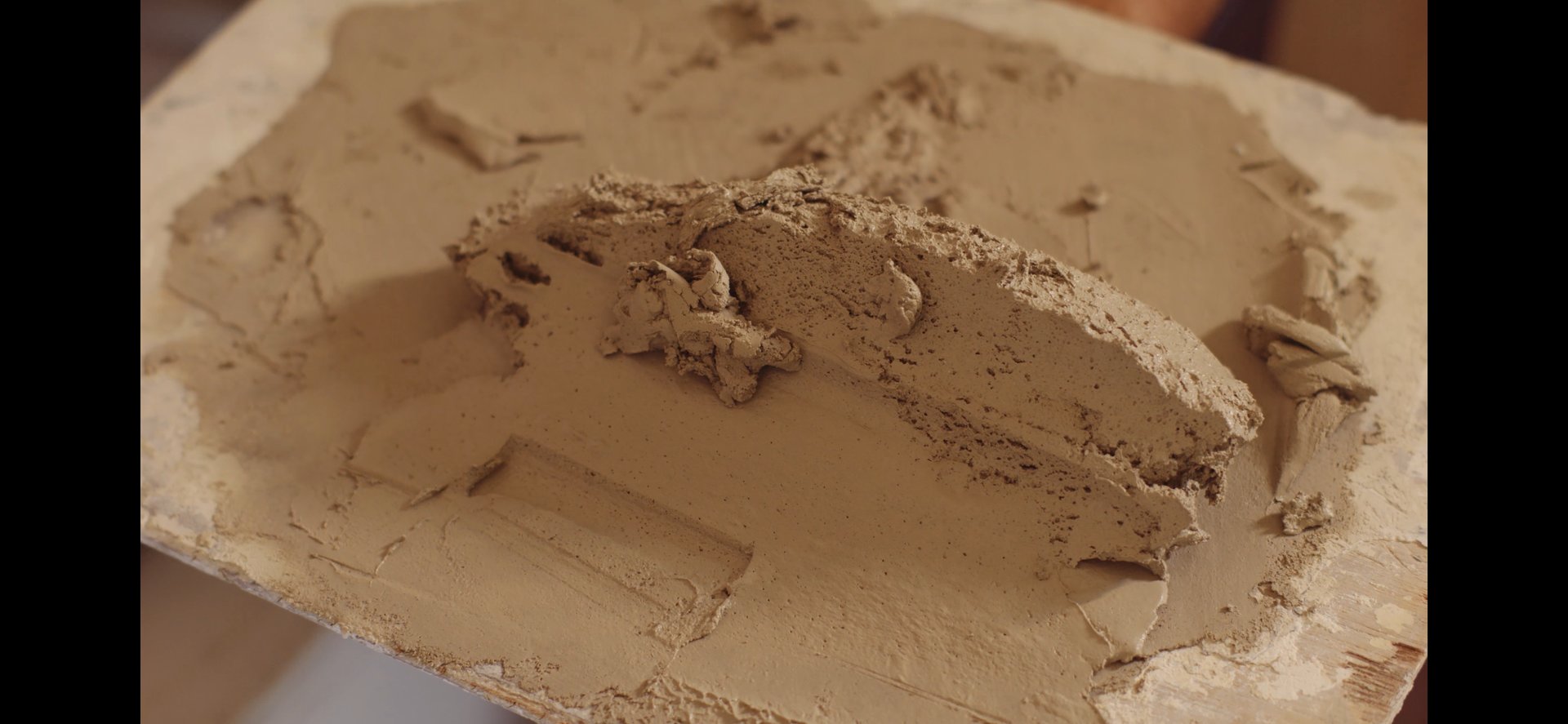
The most meditative part of plastering comes when the mud touches the wall — the sound, the scent of earth, the movement of texture coming to life. Every smooth pass of the trowel feels like another thought wiped clean. When I’m burnishing a surface, time disappears. There is only refinement, touch, and breath.
This material does not tolerate force.
When rushed, it bubbles, resists, and reveals flaws.
When approached with patience, it becomes graceful.
It teaches you to work at the pace of life itself.
One of the moments I’m most proud of is teaching others this flow — watching someone feel presence in their body, pride in their hands, and connection to what they’re creating. That is just as important as the finished wall.


Rooted in the Desert
I was born and raised in Joshua Tree California, and this desert lives in my nervous system. The open horizons, the native plants, the rocks and mountains, the warm star-filled nights — this land shaped who I am.
The desert teaches what cities cannot:
to slow down, to listen, to be creative with limited resources, to sit up tall and stay connected to the earth. With fewer distractions, you are left with yourself — your breath, your feet on the ground, your heart.
That’s how I want my walls to feel.
Like stepping into nature.
Like stone warmed by sunlight.
Like the quiet safety of a cave.
Like being held by the natural world.
When light hits a lime wall the way it hits rock or clay, something ancient wakes up inside us.
Legacy
If someone touched one of my walls 50 years from now, I would want them to feel what people feel touching ancient walls in Morocco or Italy — the beauty of nature and the love of careful craftsmanship still alive in the surface.
To build something that lasts beyond me is a quiet kind of pride — knowing that even when I’m forgotten, the work can still inspire, still hold someone, still matter.
This work goes beyond business or art.
It is about people, earth, and connection.
It is about creating homes that heal — spaces that feel safe, sacred, and alive.
If Mindful Earthen disappeared tomorrow, the world would lose a chance to work with someone who cares not just about the job, but about the impact — on homes, on people, and on the planet.
That is why this work exists.
Why Natural Materials Matter
Modern construction has brought efficiency, but it has also brought toxicity, waste, and disconnection from the land beneath our homes.
Synthetic materials feel lifeless to me — stagnant, sometimes even harmful. Natural surfaces are different. They breathe. They soften light. They hold warmth. They make us feel safe.
We crave natural walls because we are nature.
On a molecular level, our bodies recognize clay, stone, and lime. A good wall can do what a great piece of art does — it invites curiosity, deepens breath, and makes you want to touch something real.